
Eat Right to Fight Inflammation

Arthritis Pain Relief & More
August 11, 2021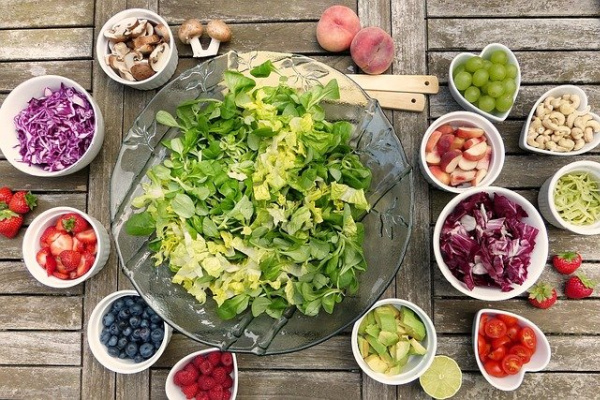
The human body is a complex network of connective tissue that can become irritated, inflamed, strained or imbalanced. Inflammation, strains and imbalances often result in discomfort, soreness, pain and loss of range of motion. As a Doctor of Naprapathy, I can help you with Naprapathic manipulative techniques, adjunctive treatments (modalities) and nutritional counseling. Many patients don’t realize just how important proper nutrition is and how changing your eating habits can help fight inflammation. Let’s take a look at just how simple it can be.
What to Eat
Scientists are constantly discovering how what we eat affects the body’s inflammatory processes, but the foods that are anti-inflammatory tend to be the same foods that are already part of a healthy diet.
Fruits and Vegetables: Whole plant foods, like fruits and veggies, are packed with the anti-inflammatory nutrients that our bodies need. Now is the time to get colorful! Different colors offer different nutrients, so introducing a rainbow onto your plate is both fun and functional! Keep in mind that, while technically made of fruits and vegetables, highly processed options like potato chips, ketchup and high sugar fruit drinks do not count.
Healthy Fats: Foods that are rich in Omega-3 fatty acids have been proven to help neutralize inflammation. Some sources of these healthy fats include salmon, olive oil, avocados, seeds and nuts, including nut butters.
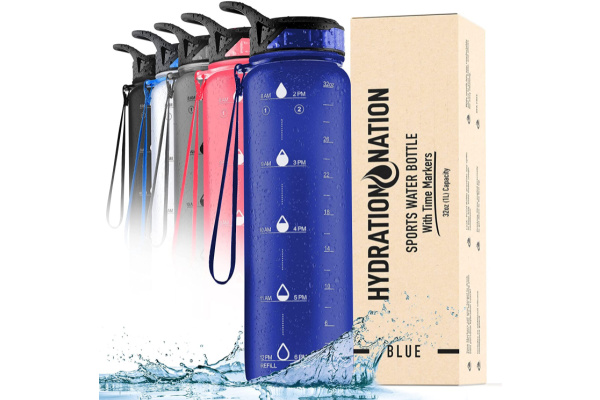
Water: Staying hydrated is a key factor in the fight against inflammation, helping to flush toxins and other irritants out of the body. A good rule of thumb is to drink half of your body weight each day in ounces of water. For example, a person weighing 200 pounds should drink 100 ounces, or 3 litres, of water every day.
Need some help staying on track with your daily water intake? The Hydration Nation Water Bottle with Time Markers will help you keep track of your daily water intake at the right time no matter how busy you are.
What to Avoid

Processed Foods: When ingredients such as oil, sugar or salt are added to foods and they are packaged, the result is processed foods. Most fast foods are highly processed and should be avoided as much as possible. Deep-fried foods have been proven to be highly inflammatory.
Refined Sugars: Refined sugar comes from sources that are heavily processed to isolate the sugar. Other names for refined sugars are sucrose, dextrose, and high-fructose corn syrup. To avoid refined sugars, you can avoid sweets, pastries, sodas and other sugary drinks.
Artificial Sweeteners/Flavors/Colors: Any processed foods making claims such as “diet’, “sugar-free” or “fat-free” on the label should certainly be avoided.
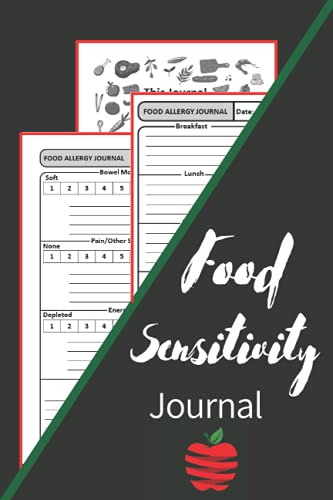
Food Sensitivities: If you suspect that you have a food sensitivity that is causing inflammation, but you do not know what is causing your symptoms, keep a food log. Note how you feel after you eat, and watch for patterns. You can also eliminate a suspected food from your diet for 2 weeks, reintroduce that food for 2 days, and notice if you have a reaction. The reaction can occur immediately, in hours, or in 2 to 4 days. You can keep track of your symptoms with this Food Sensitivity Journal.
When you start making these changes, you are going to be getting more fiber in your diet. Generally, fiber helps with bowel activity. However, if you are dehydrated and eating more fiber, you will become constipated. So, don’t skip the water!
Are you ready to make some changes in your nutritional habits to start feeling better inside and out? I can help! Book your appointment today and let’s get started with some nutritional counseling and products designed to help your body fight inflammation.
Disclosure: Some of the product links included in this blog are Amazon affiliate links. This means that, at zero cost to you, I will earn an affiliate commission if you click through the link and finalize a purchase.